3D SVG Zombie Scene for Shadow Boxes
As a digital publisher who has spent years refining the visual identity of high-traffic blogs and affiliate sites, I have learned that every pixel matters. When we talk about editorial design, we are not just discussing aesthetics; we are discussing trust, engagement, and brand authority. Recently, I integrated the 3D Halloween Zombie Scene Layered SVG into my content workflow to test its viability beyond physical crafting. While marketed primarily for crafters, this asset offers surprising versatility for digital creators looking to inject seasonal personality into their web design projects.
First Impressions and Editorial Mood
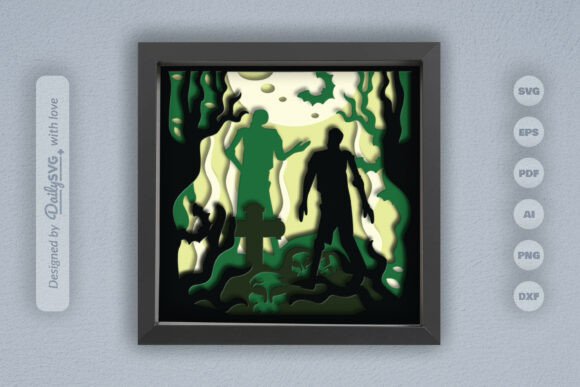
The moment I opened the file layers, the quality of the vector paths was evident. This is not a sloppy, auto-traced mess. It is a deliberate, structured graphic design asset that balances spooky charm with clean lines. The mood it creates is distinctly playful yet polished. It does not lean into the grotesque or terrifying, which makes it safe for family-friendly lifestyle blogs, educational newsletters, and general entertainment niches. For a publisher, this means you can use it during October without alienating a sensitive audience or violating ad network guidelines regarding shocking content.
The layered nature of the file suggests depth. In a physical Shadow Boxes context, this translates to tangible dimension. In a digital context, it translates to visual interest. When flattened into a 2D image for a website header or blog featured image, the distinct layers create a natural visual hierarchy. The eye is drawn from the foreground elements to the background, keeping the viewer engaged longer than a flat, single-color icon would.
Integrating the Asset into Publishing Workflows
Most designers overlook layered SVGs for digital use, assuming they are only for cutting machines. However, when imported into tools like Canva or Adobe Illustrator, these layers become powerful components for blog graphics and social media graphics. Here is how I successfully deployed this asset across my content ecosystem:
- Pinterest Pins: The vertical composition of many zombie scene arrangements works perfectly for Pinterest. I used the foreground zombie element as a focal point, overlaying bold typography for click-throughs. The contrast between the eerie green tones and bright text improved visibility in crowded feeds.
- Newsletter Headers: For my October email sequence, I stripped away the background layers and used the central character as a mascot. This created consistency across my content marketing efforts, reinforcing brand identity during the seasonal campaign.
- Digital Guides and Lead Magnets: I incorporated simplified versions of the scene into a free Halloween party planning checklist. As a digital download incentive, the cute graphics increased the perceived value of the PDF, making it feel like a premium product rather than a generic template.
- Affiliate Marketing Visuals: When reviewing crafting tools, using the actual asset in my tutorial images added authenticity. It showed readers exactly what the digital product could achieve, bridging the gap between review and demonstration.
Enhancing Content Performance Through Design
Why does this matter for your bottom line? Because creative design directly influences user behavior. A professional-looking Pinterest pin or article thumbnail signals quality. When users see a cohesive, well-designed graphic, they subconsciously trust the accompanying content more. This asset supports that trust by providing a modern, clean look that avoids the cluttered aesthetic of amateur clipart.
Furthermore, consistent use of such assets strengthens your small business branding. If your audience recognizes your specific style of Halloween graphics year after year, you build recognition. This 3D SVG allows for that consistency because the layers can be rearranged, recolored, and modified to fit different posts while maintaining a unified theme.
Strategic Placement and Cautionary Notes
While versatile, this asset is not a one-size-fits-all solution. It works best in hero images, category thumbnails, and dedicated social posts where it has room to breathe. However, exercise caution in the following scenarios:
- Small Mobile Thumbnails: The intricate details of the zombie’s features may get lost on small screens. Always test your resized graphics on mobile devices to ensure the main subject remains recognizable.
- Text-Heavy Layouts: Do not place this complex graphic behind dense body text. It will compete for attention and reduce readability. Use it as an accent or in white space.
- Corporate or Serious Niches: If your blog focuses on finance, law, or corporate leadership, this playful zombie theme may undermine your professional authority. Know your audience.
- Low-Contrast Backgrounds: Ensure there is sufficient contrast between the SVG colors and your website background. A dark zombie on a dark gray background will vanish.
Practical Publisher Notes for Implementation
Before you upload this to your media library, follow these technical steps to ensure optimal performance and legal safety:
Test Across Devices: Preview the graphic on desktop, tablet, and mobile. Check how it looks as a tiny thumbnail in your recent posts widget versus a large banner.
Typography Pairing: Experiment with font styles. This graphic pairs well with bold sans serif fonts for a modern look, or handwritten fonts for a playful, DIY vibe. Avoid overly ornate script fonts that might clash with the detailed lines of the zombie.
File Optimization: SVGs are scalable, but if you convert them to PNG or JPG for social media, compress the files. Large image files slow down your site, hurting SEO. Use tools to reduce file size without sacrificing quality.
Licensing Verification: Always confirm the commercial license terms. If you are using this for monetized websites, affiliate pages, or selling it as part of a Canva template or printable design, ensure your license covers commercial use. The original description notes it is crafted for smooth cutting and easy assembly, but digital usage rights vary by creator.
In conclusion, the 3D Halloween Zombie Scene Layered SVG is more than just a craft file. It is a flexible design asset that, when used strategically, can elevate your editorial design and strengthen your digital presence. By understanding its strengths and limitations, you can create content that is not only visually appealing but also effective in driving engagement and trust.