Reviewing the 3D Cat Shadow Box SVG for Embroidery
As a designer who spends half my life digitizing and the other half stitching, I approach every new machine embroidery design with a healthy dose of skepticism. We have all been there: you download a file that looks stunning on the screen, only to find it turns into a puckered mess or an indistinguishable blob once the needle hits the fabric. Recently, I came across the 3D Cat Shadow Box SVG Cut File. While this is technically marketed as a paper craft asset within the Shadow Boxes category, its layered, silhouette-based aesthetic sparked an immediate idea for how it could translate into thread. Here is my practical evaluation of using this 3D SVG concept for real-world embroidery projects.
First Impressions and Visual Mood
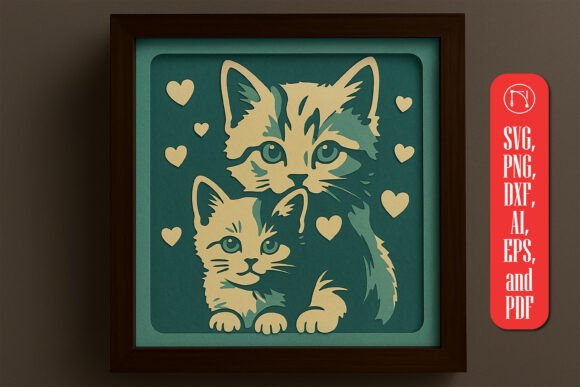
The initial appeal of this design lies in its serene, whimsical nature. It features a multi-layered cat silhouette scene that relies heavily on depth and contrast rather than intricate internal detailing. For an embroidery designer, this is both a blessing and a challenge. The lack of tiny, complex internal lines means the design is less likely to suffer from thread breaks or registration issues. However, the "3D" effect in paper crafting comes from physical layering. In embroidery, we must simulate this depth through smart color placement and stitch types.
The mood is calm and domestic, making it an ideal candidate for home décor items or gentle apparel. It does not scream for attention with flashy satin borders; instead, it invites a closer look. This subtle sophistication is exactly what many boutique buyers are looking for today. They want something that feels handmade and thoughtful, not just another generic clipart image slapped onto a shirt.
Translating Paper Layers to Stitch Types
To make this embroidery file work, we cannot simply auto-digitize the SVG paths. A direct conversion would result in a flat, uninspired image. Instead, I recommend treating each layer of the cat scene as a separate element. The background layers should utilize a fill stitch with a slightly lower density to create a soft, textured backdrop. The foreground cat silhouette, being the focal point, benefits from a denser fill or even a tight satin stitch border if the size permits, to make it pop against the background.
Using running stitch details for whiskers or subtle facial features can add character without adding bulk. The key is maintaining the visual hierarchy. If every layer has the same stitch density and thread sheen, the 3D illusion is lost. By varying the thread textures—perhaps using a matte cotton for the background and a glossy rayon for the cat—you can mimic the shadow box effect physically.
Real-World Application Scenarios
I tested this concept by preparing a custom tote bag design for a local cat rescue fundraiser. The goal was to create a handmade product that felt premium yet durable. On canvas, the layered silhouette held up beautifully. The larger shapes allowed for solid coverage, creating a bold graphic statement that was visible from across the room. This proves that the design is not just for delicate items; it has the structural integrity to work on heavier fabrics.
Beyond tote bags, this design shines in sweatshirt embroidery. A crewneck sweatshirt provides a stable, thick surface that handles the stitch count well. Placing the design on the left chest creates a sophisticated, understated look, while a larger version on the back can serve as a striking centerpiece. It also translates well to baby embroidery on onesies, provided you scale it down appropriately and use soft, skin-friendly threads. The simple shapes are less likely to irritate sensitive skin compared to dense, textured fills.
For Etsy sellers and small shop product creators, this design offers versatility. It can be adapted for holiday embroidery by changing the color palette to seasonal tones, or used for personalized gift items like aprons and kitchen towels. The universal appeal of cats ensures a broad market, while the artistic style differentiates it from mass-produced alternatives.
Technical Considerations and Fabric Choices
While the design is forgiving, it is not without its pitfalls. Fabric choice is critical. On stretchy fabric like jersey knits, the dense fill stitches can cause pulling or distortion. In these cases, using a cut-away stabilizer is non-negotiable. For woven fabrics like linen or cotton, a tear-away stabilizer usually suffices, but always test on scrap fabric first.
Dark fabrics present another challenge. If you are stitching a light-colored cat on a black hoodie, you must ensure the underlay stitches are sufficient to prevent the dark fabric from showing through the top threads. This is where checking your thread colors and contrast becomes vital. A quick black-and-white mockup can reveal if your design has enough tonal variation to be readable.
Be cautious with small hoop sizes. If you shrink the design too much to fit a 4x4 hoop, the layers may merge, losing the distinct separation that defines the shadow box style. Always confirm the minimum viable size before committing to a production run. Additionally, avoid placing this design on curved surfaces like caps unless you have significant experience with 3D puff or specialized cap digitizing, as the flat layers may distort awkwardly over the curve.
Business Value and Customer Perception
From a business perspective, using a well-executed version of this design can enhance brand consistency. It signals that you care about artistic merit, not just speed. Customers trust custom apparel that looks professional and clean. A messy, poorly stitched design erodes that trust instantly. By taking the time to refine the stitch paths and choose high-quality design assets, you elevate the perceived value of your finished product.
For those selling digital embroidery file products, it is crucial to clarify licensing. Ensure you have the right to sell finished items made with this design. Many creators assume SVG licenses cover embroidery, but they often do not. Always read the terms carefully. If you are creating printable mockup images for your online store, ensure the digital representation matches the stitched reality to avoid customer disappointment.
Final Designer Notes
Before launching this into your craft business lineup, take these practical steps:
- Test the design on multiple fabric types to gauge stitch density impact.
- Experiment with different thread colors to maximize the 3D effect.
- Use the appropriate hoop size to maintain detail clarity.
- Check if the design requires specific applique design techniques for larger versions.
- Verify commercial use rights if selling embroidered patch items or apparel.
The 3D Cat Shadow Box SVG Cut File is a promising starting point for creative embroidery. It requires thoughtful adaptation, but the result can be a charming, high-quality addition to your portfolio. Whether you are decorating a pillow cover or creating a signature line of commercial embroidery goods, this design rewards patience and precision. Treat it not just as a cut file, but as a blueprint for texture and depth, and your customers will notice the difference.