Reviewing the 3D Layered Horse Papercut SVG
As a designer who has spent years translating digital vectors into tangible thread, I approach every new machine embroidery design with a mix of curiosity and caution. The market is flooded with generic shapes, but finding a file that truly respects the mechanics of stitching while delivering high visual impact is rare. Recently, I evaluated the 3D Layered Horse Papercut Laser Cut SVG to determine if it holds up not just as a digital asset, but as a viable component for real-world embroidery projects. While this file originates from the papercut and laser-cutting world, its structural integrity offers fascinating possibilities for textile artists willing to adapt.
First Impressions and Visual Mood
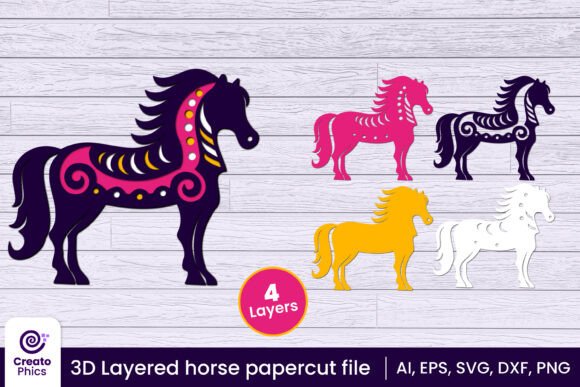
The immediate appeal of this 3D SVG lies in its depth. Unlike flat silhouettes, the layered approach creates a sense of movement and dimensionality that translates beautifully when interpreted through thread. The horse motif is elegant rather than cartoonish, appealing to equestrian enthusiasts who value sophistication. For an Etsy seller or craft business owner, this distinction matters. It moves the product away from juvenile novelty and into the realm of boutique home decor and refined custom apparel.
The layout suggests a modern aesthetic. When I visualize this on fabric, I see it working best where negative space is utilized effectively. The "layers" in the digital file represent different depths, which in embroidery can be mimicked through varied stitch density and thread textures. It feels organic, grounded, and strong—perfect for clients looking for a personalized gift that speaks to their passion for horses without being overly literal.
Real-World Application Scenarios
To test its viability, I imagined several production scenarios. First, consider a heavy canvas tote bag design. The bold lines of the horse would stand out against the textured weave. Using a combination of satin stitch for the outlines and fill stitch for the broader sections could replicate the paper-layer effect. The result would be a durable, high-value handmade product suitable for farmers' markets or boutique retail.
Another strong candidate is sweatshirt embroidery. Here, the design needs to breathe. Placing this motif on the left chest or as a larger back piece allows the layers to be distinct. However, one must be mindful of the fabric's stretch. A stable knit or fleece works better than a thin jersey, which might pucker under the weight of multiple layers. For baby embroidery, such as a nursery blanket or onesie, the design should be scaled down significantly. The intricate details might get lost or become too dense for delicate skin-contact items, so simplification is key.
I also considered its use in holiday embroidery projects. As an Ornaments category item, this design shines when stitched onto felt or stiffened fabric to create hanging decorations. The layered look mimics the actual papercut style, making it a clever crossover between digital crafting and needlework. It adds a touch of rustic charm to Christmas trees or year-round wall art.
Technical Considerations for Stitchers
Translating a laser-cut file to an embroidery file requires technical vigilance. The primary challenge is stitch density. Papercut designs often have tight, overlapping shapes. If you simply auto-digitize this SVG, you risk creating a cardboard-like stiffness in the fabric. My advice is to manually adjust the underlay and reduce overlap where possible. Use running stitch for fine internal details to keep the fabric flexible, reserving satin stitches for borders that need definition.
Hoop size is another critical factor. Ensure your machine can accommodate the full width of the design if you intend to stitch it as a single unit. For larger versions, consider splitting the design into sections, though registration alignment becomes tricky. Always use a cut-away stabilizer for garments that will be washed frequently, as the cumulative pull of multiple layers can distort lightweight fabrics over time.
Thread choice plays a massive role in selling the 3D illusion. Instead of using a single color, consider variegated threads or slightly different shades of the same hue for each layer. This subtle shift in thread colors enhances the perception of depth, making the horse appear to rise off the fabric. Test this on scrap fabric first. What looks sharp on screen may blend together if the contrast is too low or if the fabric texture interferes with stitch clarity.
Where to Use Caution
Not every surface is suitable for this level of detail. Avoid using this design on highly textured fabrics like bouclé or thick terry cloth, as the small details will disappear. Similarly, be cautious with curved surfaces like caps. The rigid nature of layered stitching can cause bubbling on the front panel of a hat unless proper backing and topping are used. For embroidered patch creation, ensure the edges are well-defined with a tight satin border to prevent fraying, especially if the patch will be handled roughly.
If you are creating commercial embroidery items for resale, check the licensing terms of the original SVG provider. While many digital files allow for physical end-products, some restrict the sale of the digital file itself. Always confirm whether the license covers design assets used in mass production or only limited handmade runs. This protects your small shop product line from legal issues down the road.
Enhancing Brand Value and Customer Trust
Using a distinctive design like the 3D Layered Horse Papercut Laser Cut SVG elevates your brand perception. Customers associate complex, well-executed embroidery with higher quality. When they see clean lines and thoughtful layering, they trust the craftsmanship. This is crucial for printable mockup presentations online. A high-resolution image of the stitched design on a premium garment converts better than a flat digital preview.
For digital product sellers who offer digitized versions of this SVG, providing testing notes and recommended settings adds immense value. It shows professionalism and helps hobbyists avoid frustration. Whether you are selling the finished product or the digital embroidery file, transparency about the design's complexity builds long-term customer loyalty.
Final Designer Notes
Before committing to a full production run, always stitch out a test sample. Check for thread breaks in tight corners and ensure the applique design elements, if used, adhere properly. Compare the result on both light and dark backgrounds to gauge versatility. If the design relies heavily on white thread, ensure your tension is perfect to avoid looping.
The 3D Layered Horse Papercut Laser Cut SVG is a versatile tool in the modern maker's kit. It bridges the gap between paper craft aesthetics and textile durability. With careful attention to stabilizer, stitch type, and fabric choice, it can become a standout feature in your embroidery project portfolio. It is not just a file; it is an opportunity to create something tactile, meaningful, and visually striking for your clients.